
tg777 | The Complex World of Jueteng: An In-Depth Examination
tg777’s Explore the intricate dynamics of jueteng, a popular yet contentious numbers game in the Philippines, highlighting its societal impact and political entanglement.
Understanding the Complex World of Jueteng
The underground betting game of jueteng holds a unique yet contentious place in the social and economic fabric of the Philippines. Emerging as more than just a simple numbers game, jueteng permeates various aspects of Filipino society, affecting everything from the political landscape to everyday life. At the core of this phenomenon lies its widespread popularity among Filipinos, often intersecting with issues of legality, morality, and governance.
The Roots of Jueteng
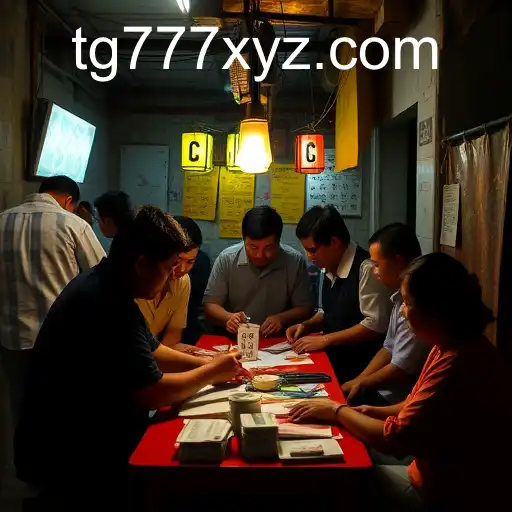
Jueteng is a grassroots lottery game that traces its origins to the Spanish colonial period. It involves drawing numbers from a tambiolo, a cylindrical container, and bettors place wagers on which numbers they believe will be drawn. The game's simplicity and accessibility have contributed to its deep entrenchment in the everyday lives of many Filipinos, particularly in the provinces where formal economic opportunities might be limited. Throughout the years, jueteng has evolved from a community gambling activity into a widespread network challenging government institutions.
The Mechanics of the Game
At the heart of jueteng is a simple mechanism that promotes mass participation. Players choose a combination of two numbers from one to thirty-seven. They place bets with a kubrador, the local bet collector, who then forwards the bets to the management tier. A capitan, or coordinator, oversees a set of kubradors and acts as a central figure in collecting money and disseminating winning amounts. Due to the cash-based and undocumented nature of transactions, funds flow effortlessly across various layers of the game's structure, creating a profitable yet elusive underworld of finance.
Jueteng and Its Societal Impact
The seemingly innocuous nature of jueteng belies its far-reaching impact on society. Socially, jueteng serves as a pivotal communal activity that fosters social bonds within neighborhoods. Despite its illegal status, its prevalence is largely accepted due to the tangible benefits bettors perceive. From educational assistance to financing basic needs, winnings can inadvertently support families, acting as a temporary relief from financial burdens of everyday life.
Furthermore, jueteng employees like kubradors, bet coordinators, and even providers of materials such as tambiolos and betting tickets, rely on the game for their livelihoods. This intricate network of individuals constitutes an informal economy that quietly sustains many in rural and suburban settings.
The Intersection of Jueteng and Politics
Jueteng's entanglement with Philippine politics exemplifies its complexity. In various cases, substantial profits from jueteng operations are funneled to finance political campaigns. Certain local officials offer protection to these networks, accepting bribes in exchange for turning a blind eye, granting them an income stream and political favor.
This illicit yet pervasive influence extends further, with some government officials orchestrating jueteng networks on a grand scale, consolidating power and resources. Thus, jueteng acts both as a financial engine and a political lever, intricately intertwined with governance and law enforcement dynamics, challenging regulatory frameworks and authoritative reach.
The Legal and Ethical Dilemmas
Operating in a legal gray area, jueteng represents significant ethical dilemmas. Legally, it contradicts anti-gambling laws, yet its persistence poses a dilemma for policy-makers who recognize its socioeconomic role. Attempts to eradicate jueteng through enforcement often collide with insufficient legal leverage and the intricate web of societal reliance.
The ethical aspects are equally perplexing. On one hand, the moral concerns arise from the encouragement of gambling, which may foster dependency or irresponsible behavior. On the other hand, patrons argue that it fills critical gaps left by unfulfilled government promises, highlighting a disparity between public needs and governmental action.
The Outlook for Jueteng
In recent years, the debate over the future of jueteng continues to simmer. Efforts to curb its proliferation have taken forms ranging from formal legalization attempts, which would regulate and monetize the industry, to hardline crackdowns intending to dismantle operations. However, both approaches face challenges: legalization risks institutionalizing the detrimental aspects of gambling, while crackdowns are often met with public resistance and political hesitance.
In summary, jueteng offers a fascinating case study of how cultural traditions endure amidst modern legal and bureaucratic systems. Its role in underdeveloped communities suggests a broader conversation addressing socioeconomic disparities might be necessary. As of this moment, jueteng stands as a mirror reflecting the complex realities of Filipino social life and the multifaceted challenges of governance in a rapidly evolving society.
